
What to Eat to Avoid Prostatitis
A comprehensive nutritional guide to supporting prostate health and preventing inflammation through evidence-based dietary choices.
Discover the foods, nutrients, and eating patterns that scientific research has linked to maintaining a healthy prostate and reducing the risk of common prostate concerns.
How Diet Influences Prostate Health
Prostatitis—inflammation of the prostate gland—affects men of all ages. While various factors contribute to its development, emerging nutritional science demonstrates that dietary choices play a significant role in supporting prostate function and overall wellness. The foods you consume directly influence inflammation markers, hormone balance, and antioxidant defence in your body.
Research published in leading nutritional journals has identified specific nutrients and food compounds that support healthy prostate tissue. Antioxidants, anti-inflammatory compounds, and minerals found in whole foods can help maintain optimal prostate function and reduce inflammatory responses. By strategically incorporating these foods into your daily diet, you empower your body's natural defence systems.
This guide explores evidence-based nutritional strategies backed by scientific research, helping you make informed choices about the foods that support your prostate health and long-term wellbeing.

Essential Foods for Prostate Support
These nutrient-dense foods are scientifically associated with prostate health. Incorporate them regularly into your meals for maximum benefit.
Tomatoes & Tomato Products
Rich in lycopene, a powerful antioxidant compound. Cooked tomatoes (sauces, soups, paste) provide higher bioavailable lycopene levels. Studies suggest regular consumption supports prostate tissue health and antioxidant status.
Key nutrients: Lycopene, Vitamin C, Potassium
Fatty Fish (Salmon, Mackerel)
Excellent sources of omega-3 fatty acids, which help modulate inflammatory responses throughout the body. Regular consumption of fatty fish is associated with healthy inflammatory markers and cardiovascular support, both important for prostate function.
Key nutrients: Omega-3 fatty acids, Vitamin D, Selenium
Cruciferous Vegetables
Broccoli, Brussels sprouts, and cabbage contain sulforaphane and indole-3-carbinol. These phytonutrients support cellular health and have been extensively studied for their role in maintaining healthy tissue function throughout the body.
Key nutrients: Sulforaphane, Fibre, Vitamins K & C
Nuts, Seeds & Plant Oils
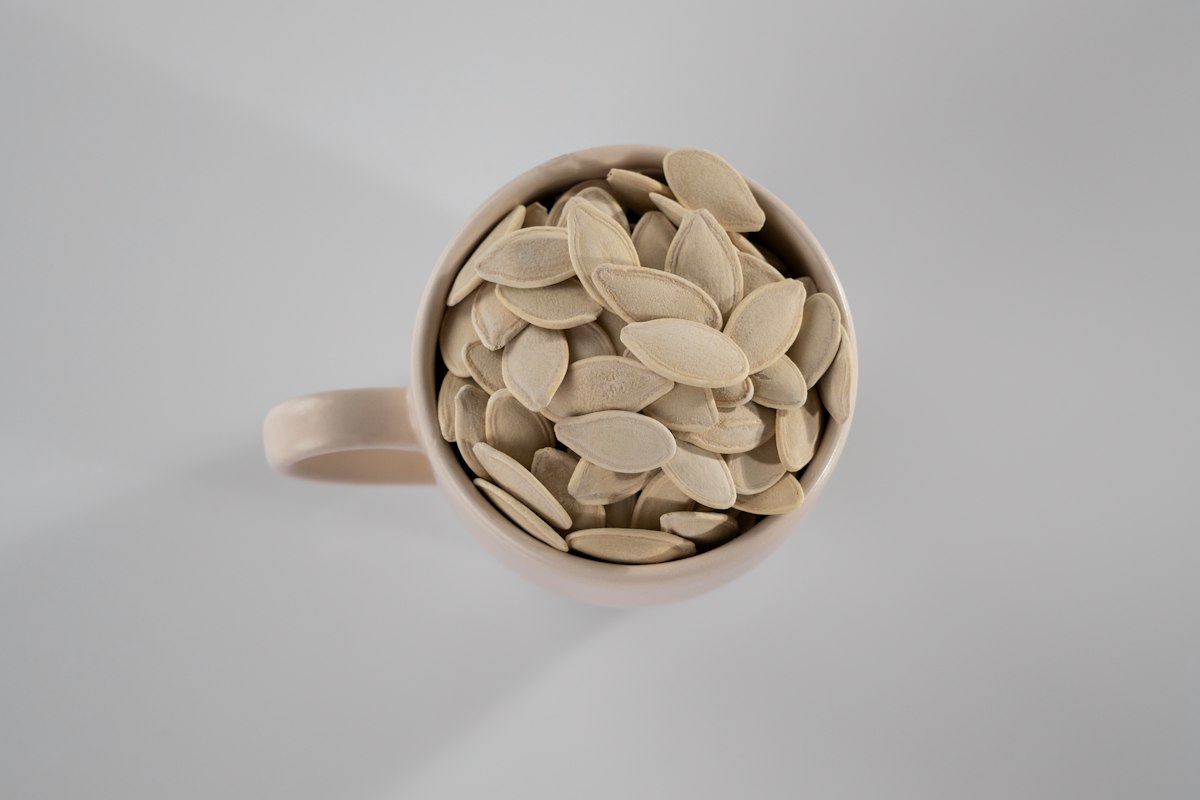
Almonds, walnuts, pumpkin seeds, and flaxseeds provide zinc, selenium, and additional omega-3 compounds. Zinc is particularly important for prostate tissue health and normal immune function, making these foods dietary staples.
Key nutrients: Zinc, Selenium, Magnesium, Vitamin E
Berries (Blueberry, Pomegranate)
Packed with anthocyanins and polyphenols, berries are among the most antioxidant-rich foods available. These compounds help protect cells from oxidative stress and support healthy inflammatory responses throughout the body, including prostate tissue.
Key nutrients: Anthocyanins, Polyphenols, Vitamin C
Green Tea & Herbal Beverages
Green tea contains catechins, particularly EGCG, which have been studied extensively for their antioxidant and anti-inflammatory properties. Regular consumption supports overall cellular health and provides hydration with additional nutritional benefits.
Key nutrients: EGCG, Polyphenols, L-theanine
Your 5-Step Dietary Transformation Plan
Follow this practical framework to integrate prostate-supportive foods into your daily routine.
Audit Your Current Diet
Assess what you currently eat. Identify inflammatory foods (processed items, excess sugar) and create space for nutrient-dense whole foods that support prostate health.
Increase Antioxidant Intake
Add colourful vegetables, berries, and green tea to every day. Aim for at least 5 portions of varied produce daily to maximize antioxidant and polyphenol intake.
Add Omega-3 Sources
Include fatty fish 2-3 times weekly, or supplement with plant-based omega-3 sources like flaxseeds and walnuts. These support healthy inflammatory responses throughout the body.
Prioritize Micronutrients
Focus on foods rich in zinc, selenium, and magnesium. Nuts, seeds, legumes, and leafy greens should become staples in your weekly meal planning.
Monitor & Adjust
Keep a food journal for 4-6 weeks. Note energy levels, wellbeing markers, and how you feel. Adjust portions and food choices based on your individual response and preferences.
Pro Tip: Consistency matters more than perfection. Aim to incorporate 3-4 of the recommended foods daily rather than trying to eat everything at once. Sustainable dietary changes built gradually are far more effective than drastic overhauls that are difficult to maintain.
Benefits of a Prostate-Supportive Diet
Men who consistently incorporate these dietary principles report meaningful improvements in various aspects of health and wellbeing.
Reduced Inflammation
Antioxidant-rich foods help lower inflammatory markers throughout the body, supporting natural inflammatory balance.
Increased Energy
Nutrient-dense meals stabilize blood sugar and provide sustained energy throughout the day, improving overall vitality.
Better Wellbeing
Omega-3 fats and antioxidants support mood regulation and cognitive function, contributing to mental clarity and emotional balance.
Cellular Protection
A diet rich in antioxidants helps protect cells from oxidative damage, supporting long-term tissue health and resilience.
Foods That May Increase Inflammation
Whilst incorporating supportive foods is crucial, it's equally important to reduce intake of foods that may promote inflammatory responses in the body.
Highly Processed & Ultra-Processed Foods
Packaged snacks, fast foods, and convenience meals often contain additives that may trigger inflammatory responses. Prioritise whole, minimally processed alternatives.
Excessive Sugar & Refined Carbohydrates
High sugar intake creates blood sugar spikes that may fuel inflammatory pathways. Swap sugary drinks and refined grains for whole grains and natural sweeteners.
Excessive Red & Processed Meat
While lean protein is important, very high red meat consumption and processed meats have been linked to inflammatory markers. Balance with plant-based and fish proteins.
Trans Fats & Hydrogenated Oils
Found in some baked goods and fried foods, these fats actively promote inflammation. Read labels and choose products made with natural oils like olive or coconut oil.
Excessive Alcohol
High alcohol consumption may negatively affect inflammatory markers and nutrient absorption. Moderation is key—consider limiting to no more than 1-2 drinks daily.
The goal is not elimination, but mindful reduction and replacement. As you increase intake of health-supporting foods, you naturally crowd out less beneficial options.
Common Questions About Diet & Prostate Health
Evidence-based answers to help you make informed dietary decisions.
Most men notice initial improvements in energy and wellbeing within 2-4 weeks of consistent dietary changes. However, meaningful changes to inflammatory markers and cellular health typically require 8-12 weeks of adherence. The key is consistency—dietary benefits compound over time as your body adapts to receiving superior nutrition. Don't expect overnight transformation, but rather a gradual and sustainable improvement in how you feel.
Absolutely. Lean proteins are important for muscle maintenance and overall health. The recommendation is to limit red meat to 2-3 times weekly and choose lean cuts when possible. Balance meat intake with abundant plant-based proteins (legumes, nuts, seeds) and fatty fish rich in omega-3s. This varied protein approach provides all essential amino acids while supporting anti-inflammatory dietary patterns that benefit prostate health.
Whole foods should be your primary source of nutrients—they contain thousands of beneficial compounds that work synergistically. However, certain individuals may benefit from targeted supplementation, particularly for vitamin D (if sun exposure is limited) or omega-3s (if fish consumption is minimal). Before adding supplements, focus on optimizing your diet with the recommended foods. If you're considering supplements, consult with a healthcare professional who understands your individual circumstances and nutritional status.
Yes, portion control matters for maintaining a healthy weight, which itself supports prostate health and overall wellness. A balanced meal typically includes a palm-sized serving of protein, a fist-sized portion of whole grains, and abundant vegetables and fruits. Rather than counting calories obsessively, focus on eating until satisfied (not stuffed) and paying attention to hunger and fullness cues. Many men find that as they eat more nutrient-dense foods, natural portion control develops because these foods are more satiating than processed alternatives.
Diet is a foundational pillar of health, but comprehensive wellness also includes regular physical activity, stress management, adequate sleep, and maintaining healthy body weight. If you have specific health concerns, it's important to work with qualified healthcare professionals who can provide personalized guidance. This guide provides evidence-based nutritional information to support prostate health alongside a holistic lifestyle approach. Think of nutrition as one powerful tool in your overall wellness toolkit rather than a complete solution on its own.
Cruciferous vegetables (broccoli, Brussels sprouts, cabbage, cauliflower) contain sulforaphane and other phytonutrients specifically studied for prostate health support. Leafy greens (spinach, kale, chard) provide magnesium, folate, and antioxidants. Red and orange vegetables (tomatoes, carrots, sweet potatoes) offer lycopene, beta-carotene, and other carotenoids. The ideal approach is colour diversity—eat a rainbow of vegetables daily to receive the broadest spectrum of protective nutrients. Aim for at least 5 portions of varied vegetables and fruits daily.
What Our Readers Are Saying
Real experiences from men who've adopted these dietary recommendations and witnessed meaningful improvements in their health and vitality.
I was sceptical about making dietary changes at first, but after just eight weeks of incorporating these foods—especially the fatty fish, leafy greens, and berries—I noticed a genuine difference in my energy levels and overall wellbeing. The guide is practical and doesn't require drastic lifestyle overhauls. I've shared it with several friends, and they've reported similar positive experiences. The best part is that the foods are delicious and easy to find in any UK supermarket.
Michael Thompson
Bristol, United Kingdom
This dietary guide has been transformative. I was experiencing some concerning symptoms, and rather than worrying, I decided to focus on what I could control through nutrition. The recommendations are backed by real science, explained clearly, and genuinely easy to implement. My overall health markers have improved, and I feel noticeably better.
David Roberts
Leeds, United Kingdom
What impressed me most was the clarity What impressed me most was the clarity of ingredients and transparency about what goes into each bottle. I've tried many supplements, but Prostate Vitamin Boost stands out for its commitment to quality. I feel more energized and my urinary flow has noticeably improved. Highly recommend!"
Robert M.
Verified Buyer
After just three weeks of consistent use, I noticed significant improvements in my daily comfort and sleep quality. No more frequent nighttime interruptions. The natural ingredients give me confidence that I'm supporting my health properly without harsh chemicals.
James T.
Verified Buyer
I was skeptical at first, but the results speak for themselves. Better energy levels, improved vitality, and I feel like myself again. Customer service was also exceptional when I had questions. Worth every penny!
Michael D.
Verified Buyer
Ready to Transform Your Prostate Health?
Join thousands of satisfied customers who've taken control of their health. Limited-time offer: Save 25% on your first order today.
30-Day Money-Back Guarantee | Free Shipping on Orders Over $50